FintechZoom.com Commodities: Complete Guide to Commodity Markets Prices and Trends
FintechZoom.com Commodities is a useful topic for readers who want to understand how raw materials influence financial markets. Commodities are essential to the global economy because they support energy production manufacturing transportation agriculture technology and everyday consumption.
Commodity markets include everything from gold and silver to crude oil natural gas copper wheat corn and livestock. Their prices can change rapidly when supply conditions shift or when global economic events affect demand.
For investors and businesses commodity prices can provide important information about inflation economic growth and market risk. This guide explains how commodity markets work what drives prices and how investors can research commodity opportunities with a more informed approach.
What Are Commodities?
Commodities are basic physical goods that can be traded in global markets. Unlike individual manufactured products commodities generally have standardized characteristics that allow buyers and sellers to trade them efficiently.
The major commodity groups include:
- Energy
- Precious metals
- Industrial metals
- Agricultural products
- Livestock
Crude oil is one of the world’s most important energy commodities. Gold and silver are major precious metals. Copper and aluminum are important industrial metals. Corn and wheat are major agricultural commodities.
CME Group provides futures and options markets across energy metals agriculture and other commodity categories. Its benchmark products are widely used for price discovery and risk management.
Why Commodity Markets Matter
Commodity prices affect far more than traders and investors.
When crude oil becomes more expensive transportation costs can rise. Higher energy costs can also affect manufacturing and consumer prices. When agricultural commodities become more expensive food producers can face higher input costs.
Industrial metals can provide clues about manufacturing activity. Copper is particularly important because it is widely used in electrical systems construction infrastructure and technology.
Precious metals have a different role. Gold can attract investment during periods of financial uncertainty. Silver combines investment demand with substantial industrial use.
This broad economic connection makes commodity markets important for understanding global financial conditions.
FintechZoom.com Commodities Market Coverage
The FintechZoom.com Commodities topic can help readers explore different commodity categories from a financial perspective. Instead of focusing on a single asset the broader commodities theme allows investors to compare energy metals agriculture and other markets.
A strong commodity research process should consider current prices historical trends supply conditions demand forecasts geopolitical developments and macroeconomic data.
Readers should also distinguish between spot prices and futures prices. A spot price generally reflects the current market value for immediate delivery. A futures contract represents an agreement linked to delivery or financial settlement at a future date.
CME Group notes that commodity markets include futures and options that can be used for both market exposure and risk management.
Main Types of Commodities
Precious Metals
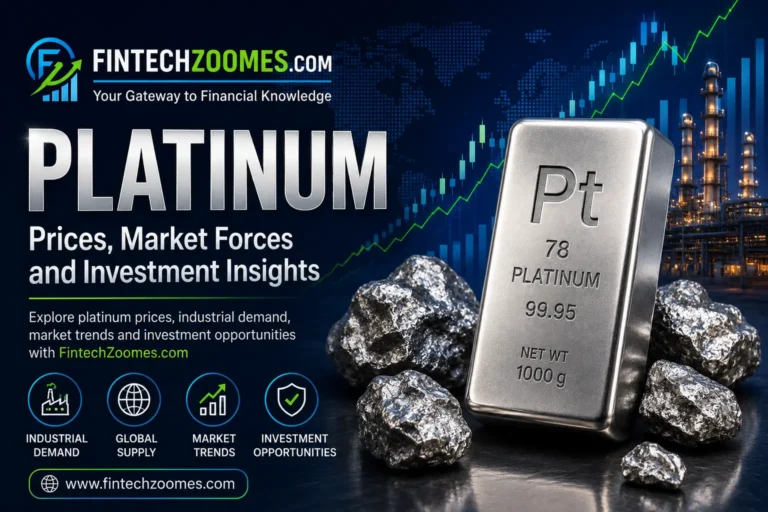
Gold silver and platinum are among the most closely followed precious metals.
Gold is often associated with wealth preservation and safe-haven demand. Silver has both monetary and industrial characteristics. Platinum has significant applications in industrial processes and automotive technologies.
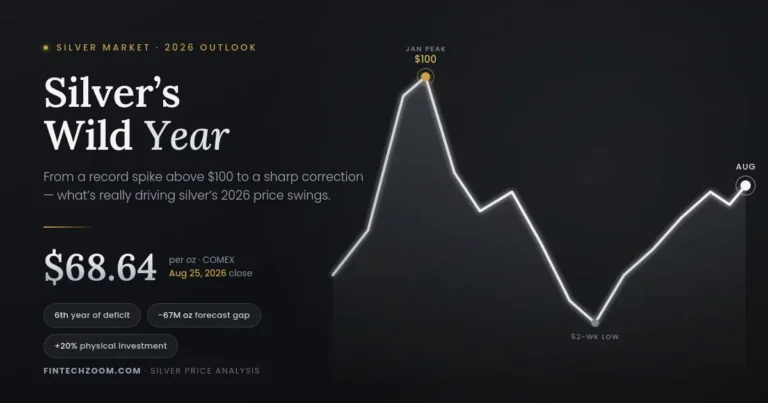
Precious metal prices can respond to interest rates currency movements inflation expectations geopolitical risks and investor demand.
The World Bank’s April 2026 Commodity Markets Outlook projected precious metal prices to rise sharply during 2026. The report highlighted strong investment demand as an important factor behind the outlook.
Energy Commodities
Energy commodities include crude oil natural gas gasoline and other fuels.
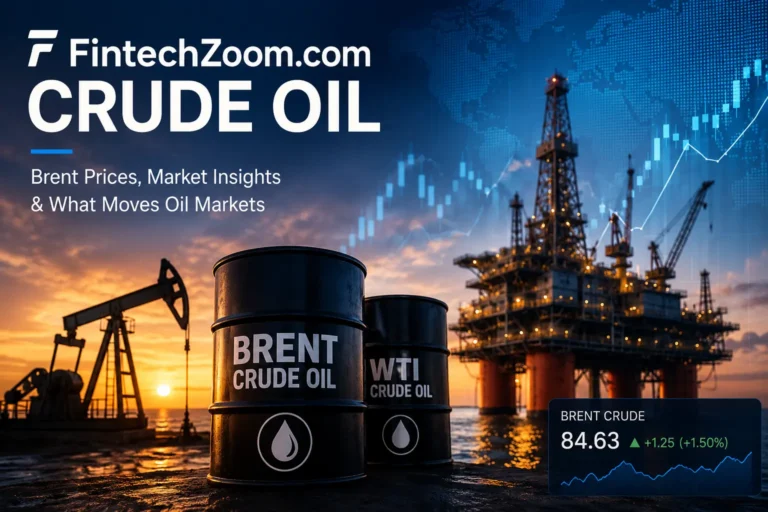
Brent crude and West Texas Intermediate are two major crude oil benchmarks. Their prices influence transportation costs manufacturing expenses and inflation across many economies.
Energy markets are particularly sensitive to geopolitical events. Production disruptions shipping problems sanctions changes in inventories and unexpected shifts in demand can create significant price movements.
The World Bank reported that energy prices faced major pressure from geopolitical disruptions during 2026. Its April outlook projected a substantial increase in energy prices for the year.
Industrial Metals
Industrial metals include copper aluminum nickel zinc and other materials used in manufacturing.
Copper is especially important because it is required for electrical wiring power infrastructure construction and technology. Nickel has important applications in stainless steel and battery supply chains. Aluminum is widely used in transportation construction packaging and manufacturing.
Industrial metal prices can rise when manufacturing activity expands. They can weaken when economic growth slows.
Recent copper trading demonstrates how geopolitical developments trade policy and inventory conditions can create sharp price movements even when the fundamental supply picture is complicated.
Agricultural Commodities
Agricultural commodities include wheat corn soybeans coffee sugar cotton cocoa and other products.
Agricultural markets are heavily influenced by weather. Droughts floods extreme temperatures and changing growing conditions can affect production.
Fertilizer prices fuel costs transportation expenses and global trade policies can also influence agricultural markets.
The World Bank expects agricultural commodity conditions to remain sensitive to energy prices and weather developments. Its 2026 outlook also highlights the potential impact of extreme weather on food prices.
Livestock
Livestock commodities include cattle and hogs among other products.
Prices can be affected by feed costs consumer demand herd sizes disease outbreaks and weather conditions.
Livestock markets are different from metals or energy because biological production cycles play an important role in supply.
What Moves Commodity Prices?
Commodity prices are driven by a combination of supply demand and financial conditions.
Supply
Supply disruptions can cause rapid price increases.
For energy commodities a disruption at a major production site can reduce available supply. For agricultural products a poor harvest can have a similar effect.
Mining projects can take years to develop. This means industrial metals may experience tight markets when demand grows faster than new production capacity.
Demand
Demand depends heavily on economic activity.
When manufacturing expands companies may require more metals. Strong transportation activity can increase energy consumption. Growing populations can increase demand for food and agricultural products.
Demand can also change because of technology. Electric vehicles renewable energy infrastructure data centers and advanced electronics can influence demand for specific metals.
Interest Rates
Interest rates can affect commodities through investment flows and economic activity.
Higher interest rates can strengthen a currency and increase financing costs. This can create pressure on some commodities.
Lower rates can support economic activity and may encourage investment in commodities.
Precious metals can be particularly sensitive to changes in real interest rates because they do not generate traditional interest income.
U.S. Dollar
Most major commodities are priced in U.S. dollars.
When the dollar strengthens commodities can become more expensive for buyers using other currencies. A weaker dollar can have the opposite effect.
Currency movements therefore deserve attention when analyzing commodity price trends.
Geopolitical Risk
Geopolitical events can have an immediate impact on commodity markets.
Wars sanctions trade restrictions shipping disruptions and political instability can affect production routes and inventories.
Energy markets are especially vulnerable because oil and gas supply chains often cross multiple countries.
The World Bank has highlighted geopolitical shocks as a major influence on commodity markets during 2026.
How Investors Can Track Commodity Prices
Investors should avoid relying on a single price quote.
A better approach is to examine several indicators together.
Important data points include:
- Spot commodity prices
- Futures prices
- Trading volume
- Open interest
- Inventory levels
- Production data
- Consumption forecasts
- Currency movements
- Interest rate expectations
- Inflation data
- Weather conditions
- Geopolitical developments
CME Group provides market data tools that include volume and open interest information. Its analytical resources can help market participants study commodity futures and options.
Government agencies industry organizations exchanges and established financial publications can also provide valuable primary data.
Futures Contracts and Commodity Investing
Commodity futures are standardized contracts linked to a specific commodity. They allow market participants to manage price exposure or take a position based on expectations about future prices.
Businesses often use futures to manage risk. For example an airline may be concerned about fuel prices while a producer may want protection against falling commodity prices.
Investors can also gain commodity exposure through exchange-traded funds commodity producers or other financial instruments.
However these products are not identical.
A physical gold investment behaves differently from a gold futures contract. A commodity ETF can have different performance characteristics because of fees portfolio construction and futures contract rolling.
Understanding the instrument is therefore just as important as understanding the underlying commodity.
Commodity Prices and Inflation
Commodity prices can play an important role in inflation.
Energy is particularly influential because fuel costs affect transportation production and distribution. Food commodities can also influence consumer prices.
When commodity prices rise sharply companies may pass some of their higher costs to consumers.
However commodity inflation is not always permanent. Prices can fall when supply improves or demand weakens.
This is why investors should examine commodity trends alongside broader inflation indicators rather than assuming that a single commodity price will determine future inflation.
Commodity Market Outlook for 2026
The 2026 commodity outlook contains both opportunities and risks.
The World Bank’s April 2026 outlook projected global commodity prices to increase by about 16% during the year. The report attributed much of the expected increase to energy and fertilizer markets while also projecting strong gains in metals and precious metals. The outlook can change quickly because commodity markets are highly sensitive to unexpected events. Supply disruptions could push prices higher. Weak global growth could reduce demand. Better harvests could pressure agricultural prices. New mining capacity could ease metal shortages. Investors should therefore treat commodity forecasts as scenarios rather than guarantees.
Risks of Commodity Investing
Commodity investing can offer diversification but it also involves significant risks.
- Prices can be extremely volatile. Futures markets can involve leverage which can magnify both gains and losses.
- Physical commodities can involve storage costs insurance costs transportation expenses and dealer premiums.
- Commodity-related investments can also be affected by currency movements political developments and changes in global demand.
Investors should understand these risks before choosing a commodity investment strategy.
Why FintechZoom.com Commodities Matters
The FintechZoom.com Commodities topic is relevant for anyone who wants to understand the relationship between physical resources and financial markets.
Commodity prices can influence inflation corporate costs consumer spending and economic growth. They can also create opportunities for investors who understand supply demand and market structure.
The key is to look beyond short-term price movements.
A strong analysis considers fundamentals market data macroeconomic conditions and geopolitical developments. It also recognizes that commodities behave differently from one another.
Gold does not respond to exactly the same factors as crude oil. Copper does not behave like wheat. Agricultural products depend heavily on harvest conditions while energy markets are strongly influenced by production capacity and geopolitical risks.
Final Thoughts
FintechZoom.com Commodities provides a useful starting point for readers researching the complex world of commodity markets. Energy metals precious metals agriculture and livestock each have their own supply chains and price drivers.
Current market conditions show why commodity analysis requires reliable data and careful interpretation. The World Bank continues to monitor major commodity groups through regular price data and market outlook reports. CME Group provides benchmark futures and options markets that support price discovery and risk management.
For investors the most important lesson is simple. Commodity prices are influenced by many forces at the same time. Supply demand inflation interest rates currency movements technology weather and geopolitical events can all change market conditions.
Researching these factors can help readers develop a more balanced understanding of commodity markets. It can also reduce the risk of making decisions based only on headlines or short-term price movements.
FintechZoom.com Commodities is therefore more than a search for commodity prices. It represents a broader way to understand how the world’s essential resources connect with investing business activity and the global economy.